The Historic Ravinia Elementary School
Protecting Students With Snow Retention System
by Kathy Ziprik, Public Relations, Rocky Mountain Snow Guards
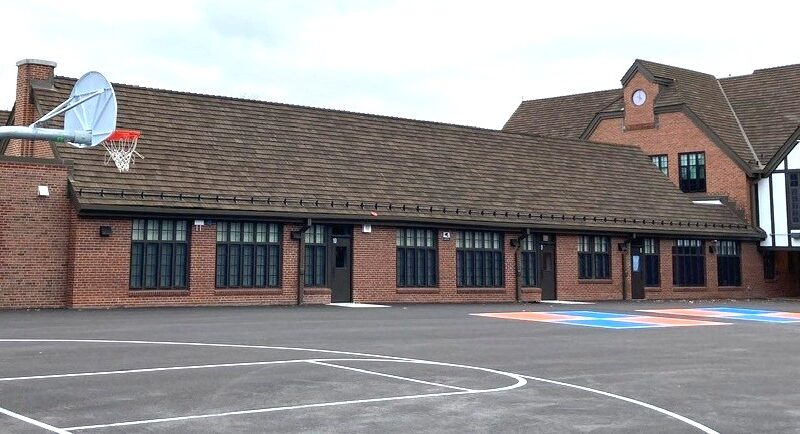
What started as a two-room schoolhouse in 1897 for 50 students has evolved into a large campus educating 260 kindergarten through fifth-grade students. Ravinia Elementary School, one of the oldest and most architecturally significant civic buildings in Highland Park, Illinois, recently received a renovation and addition project recently that positions it for the future. Chief among the accomplishments was replacing old, worn cedar shakes with new synthetic shakes and a snow retention system.
“The building needed significant improvements to better support increased enrollment, expanded programming, and evolving educational practices along with accessibility, safety, and security in a modern school setting,” said Vince Procaccio, RA, NCARB, LEED® AP BD+C, Senior Project Architect at Wight and Company out of Darien, Illinois. “This project addressed those issues with care, while preserving the architectural features and overall feel that have made Ravinia such a recognizable part of the neighborhood.”
Addressing Roofing Needs
When it came to the roof, the high maintenance obligations on the district for handling the natural wood shakes had to be addressed. The architectural firm worked with INSPEC™, Inc. to select both an easy-care roofing product and snow retention system for Ravinia Elementary School.
To replace the rotting wood shakes, CEDUR synthetic shakes were chosen. The composite shakes will maintain the appearance and character of a cedar shake roof while providing the durability, reduced maintenance, and fire performance needed for the institutional building. To ensure that ice and snow move safely off the new roof in winter weather, a NoFlash II two-bar snow fence system in dark bronze from Rocky Mountain Snow Guards was specified.
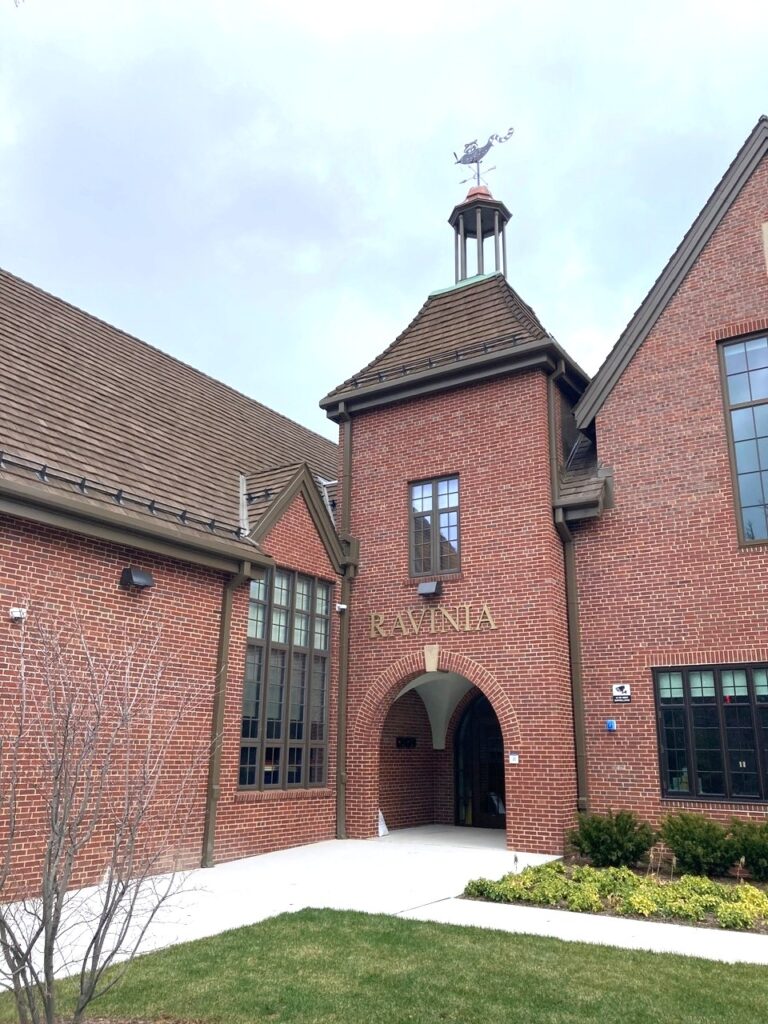
“Whenever steep-slope synthetic roofing is installed, there’s an important design consideration need for snow retention systems to help manage snow and ice movement,” said Tony Loden, Associate, Senior Building Envelope Consultant with INSPEC, Inc. “These are especially needed above entrances, sidewalks, and other occupied areas. Properly designed snow retention systems help control the release of accumulated snow and ice, reducing the potential for sudden sliding events while protecting pedestrians, landscaping, equipment, and adjacent property. These systems are especially a prudent investment for educational facilities because they enhance occupant safety while minimizing maintenance concerns and operational disruptions during the winter seasons.”
Loden related that his firm specifically chose the NoFlash II system for Ravinia Elementary School based on the double rod style and the overall look it presents against the composite wood shake roof. Being familiar with Rocky Mountain Snow Guard products, he and his team were confident that the product would help keep the aesthetics compatible with the neighborhood.
“The appearance and performance characteristics of the NoFlash II system align well with the project’s historic preservation objectives,” added Procaccio. “The two-bar system surrounding the school provides a clean, continuous appearance that complements the synthetic shake roofing while offering effective snow retention. It also avoids the visual clutter often associated with individual snow guards and provides a more uniform distribution of snow loads across the roof surface.”
Specifying Synthetics in the Future
Installed by Bennett and Brosseau Roofing, Inc. out of Romeoville, Illinois, the expansive synthetic roof on the school follows a consistent trend that Procaccio and Loden have seen over the past several years. While initially a higher cost item, synthetic roofing has a strong return on investment due to its longevity and lower maintenance fees.
“As manufacturers continue to improve the appearance, durability, and long-term performance of synthetic roofing products, we anticipate gradual growth in their use,” said Procaccio. “This should especially occur in renovation projects involving historic schools and municipal buildings. As these synthetic roof systems become more prevalent, we also expect snow retention systems to be incorporated more frequently as a standard life-safety feature in our northern climates.”
From his perspective, Loden offered that, “Overall, snow retention systems are an important life-safety component for steep slope roof systems in Northern Illinois, particularly above school entrances, sidewalks, loading areas, and other high-traffic pedestrian locations. Winter weather in the Chicago metropolitan area routinely creates icy walking conditions, and uncontrolled roof avalanches can significantly increase the risk of injury to students, staff, and visitors. Properly specified and installed snow retention systems, like the NoFlash II, can help eliminate those problems.”