From Ashes to Beauty
Prioritizing Fire Resistance for a Rebuilt Home in Santa Rosa, California
by Camille Dodson, Editorial Assistant
Wildfire has been an increasing concern for homeowners in the West, particularly in California where several large fires have destroyed thousands of homes over the last decade. For architects and residents alike, choosing fire-resistant materials for rebuilding a home has become a top priority.
In the devastating Tubbs Fire that burned down over 36,000 acres of land in 2017, one of the many homes that burned down was a beautiful home in Santa Rosa, California. The homeowners had purchased the home just months before the fire had hit, and it was the centerpiece of their long-planned retirement. After the home had been unfortunately reduced down to ash, the homeowners knew that they needed to be a lot more critical with the materials used during the rebuild.

“We are originally from Minnesota, so luckily we hadn’t moved in yet when the fire came,” said one of the homeowners. ” In fact, we were supposed to be there the night of the Tubbs Fire had it not been for rescheduling a business meeting. It was two days before our 20th wedding anniversary.”
Like many people, they committed to rebuilding, particularly with resilient design, as soon as they were able to access the property. After much research, they chose to use the building system from from RSG 3-D, which has been designed for multi-disaster resilience, energy efficiency, and life cycle affordability. RSG 3-D’s goal is to safeguard lives, strengthen communities, reduce costs, and dramatically increase building lifespans, all while offering superior design flexibility to bring any vision to life.
The panel building system that was used on the home was made with a combination of concrete, steel, and auto-extinguishable Type One modified EPS. Not only is it fire resistant, but it is also resistant to severe storms, seismic activity, mold, insects, and vermin. Additionally, the panel/concrete system creates an exceptional heat sink, which means very little energy needs to be spent on heating and cooling the house.
“Working with the RSG 3-D panels was a new experience,” said one of the homeowners. “That was the thing that made it unique. We hadn’t worked with this building method before so there were some challenges we needed to overcome, but we are very happy with the overall look and safety of the home now.”
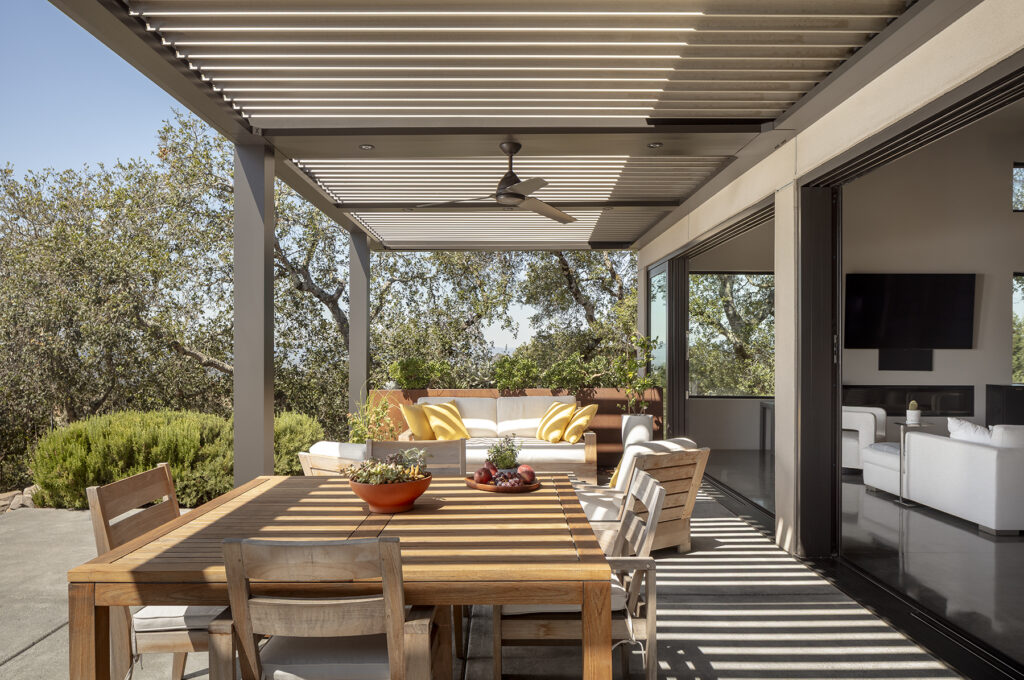
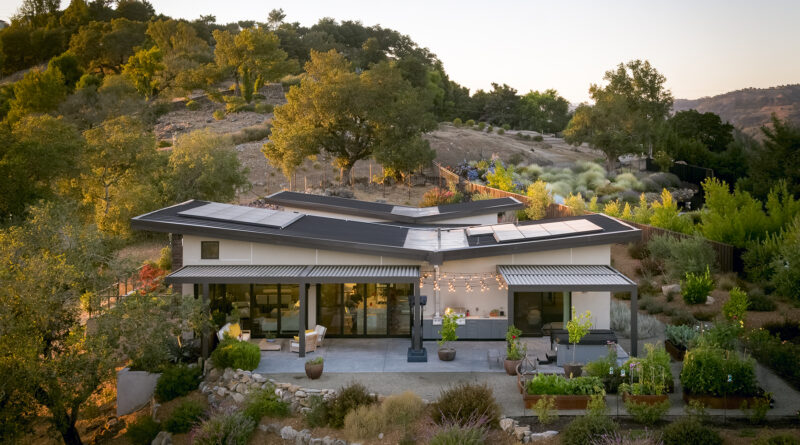
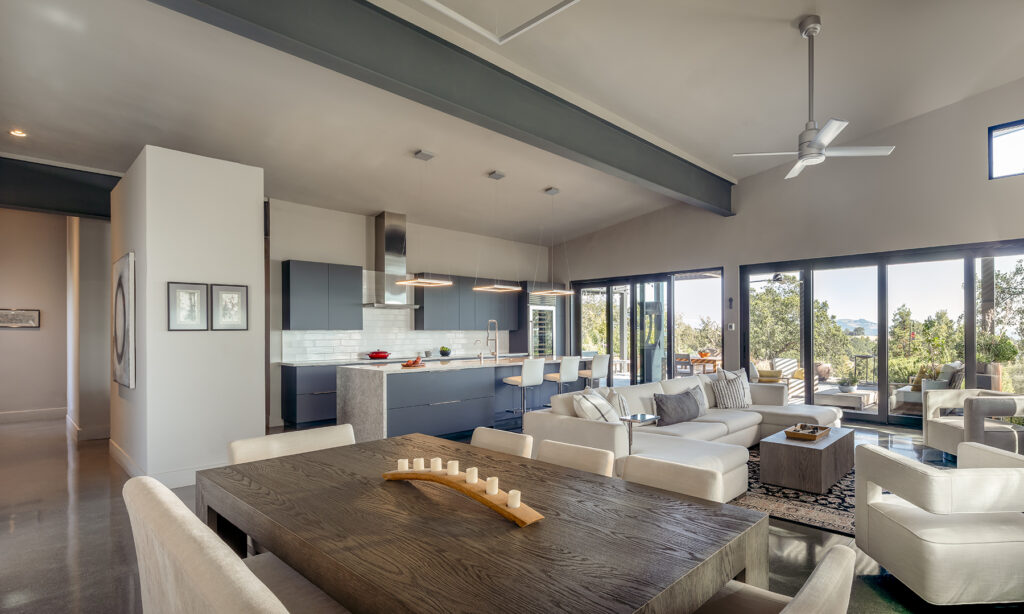
Rebuilding the home took extra time because of construction delays during the pandemic. It took 23 months to go from groundbreaking to temporary occupancy given the challenges from COVID, the availability of the other building materials, and staffing issues with the builder. Now fully rebuilt, the home is a three bedroom, two bathroom compound with 2,785 sq.ft. of living space. It sits on 1.03 acres of land on a hill that is surrounded by wildlife.
On top of being a beautiful reimagining of the home, the home is also 100% non-combustible. The house is resistant to natural elements and stands as a testament to what resilient building and design should be like in high-risk areas. Fire concerns will always be on the minds of California homeowners, but for the owners of the newly rebuilt home, they can rest easy knowing that their beautiful new home will be safe for years to come.