Enhancing Long-Term Performance
Roofing Design Challenges & Solutions
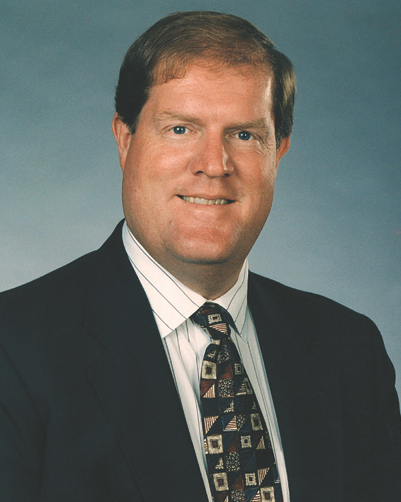
by Richard K. Olson, President & Technical Director, Tile Roofing Industry Alliance
(Editor’s Note: Richard K. Olson is president and technical director for the Tile Roofing Industry Alliance. The association represents industry professionals involved in the manufacturing and installation of concrete and clay tile roofs in the United States and Canada, and works with national, state, and local building officials to develop installation techniques, codes, and standards for better roofing systems. Olson can be reached at rolson@tileroofing.org.)
The roofing industry faces several design challenges that can impact the performance, longevity, and safety of roofing systems. These issues are critical for both new constructions and reroofing projects. Below are some of the top roofing design issues we have observed where professionals might help create solutions in their project scopes.
Today’s architectural designs have evolved from the traditional gable or basic hip roof to more creative and complicated roof planes and slopes for greater architectural design appeals.
Roof slope affects water drainage and the ability to shed debris. Steep slopes are typically more effective at shedding water, as they become more creative, so does the need for proper design details. This will include water transitioning, flashing, and how components and accessories are attached to maintain a fully functioning roofing assembly. Roofs with multiple angles, valleys, or intricate designs can present challenges in terms of both installation and long-term performance. Such designs require careful consideration of material choices, waterproofing, and support to ensure stability and resistance to the elements.
The roof is a prominent feature of a building’s exterior and can greatly affect the building’s aesthetic appeal. Roof designs should complement the overall architecture of the structure, whether through material choices, colors, or shapes. Balancing aesthetics with functional performance is a key design challenge. Our roofing tiles offer one of the most inclusive and appealing cladding options for any roof geometry.
Choosing materials which provide the longest durability and performance while enhancing the appearance of a building is important to the building owner. The roof will be the single greatest expense on a residential building and owners are looking for longer, more resilient roofing options. The consideration for upgraded systems of underlayments and increased ventilation are easily accepted by the building owners for a more resilient long-term performance.
Roofing systems must comply with local building codes and national standards, which can vary by region and even jurisdictions. These codes address everything from materials and construction methods to energy efficiency and safety requirements. For example, areas in high-wind zones or wildfire-prone regions have stricter requirements for roofing materials and design. One should always consult the local building officials and material manufacturers for updated information when designing a building.
Penetrations for chimneys, vents, skylights, solar, and HVAC systems are common in many roof designs. Proper flashing and waterproofing around these penetrations are essential to prevent leaks and structural damage. Improperly installed or maintained flashings can lead to water intrusion and costly repairs. Ensuring compatibility with all materials is essential.
As codes and standards evolve, keeping up with changes is crucial. For instance, updates to wind speed requirements in areas prone to hurricanes and the growing emphasis on energy efficiency and fire safety standards are considerations that roofing design professionals need to stay informed about. These are rapidly changing as the influence of fire safety and insurability lead the discussion for change.
Roof materials must be chosen for their longevity and ability to withstand environmental stressors. Concrete and clay roofs are long-term durable options, while asphalt shingles may have shorter lifespans and require more frequent maintenance.
A good roof design should allow easy access for regular maintenance and inspection. Poorly designed roofs can make it difficult for contractors to reach areas that require repair, leading to delays and potentially more costly fixes down the line. Requiring annual maintenance for any roof can help identify repairs and increase long-term performance reducing potential damage during a weather event.
As sustainability becomes a priority in construction, the environmental impact of roofing materials is gaining attention. Materials that can be recycled or repurposed at the end of their life, such as concrete and clay roofing tiles, are becoming more desirable. As an industry we are working on ways to help reduce impact on the environment through better roofing practices.
Balancing performance with cost is one of the most significant challenges in roof design. Roofing professionals must consider the material, labor, and long-term maintenance costs of the system, ensuring it fits within the project’s budget without sacrificing quality. Moving to more durable and longer-lasting roof assemblies will help reduce the life cycle costs for the building owner. Investing in higher-quality materials and systems may result in a higher upfront cost, but it can provide a better ROI over the life of the roof due to reduced maintenance costs and longer lifespans. Educating clients on these long-term benefits can help them make more informed decisions.
Roofing design involves balancing a wide variety of factors, from environmental conditions and building codes to aesthetics and cost. Understanding the top roofing design issues allows professionals to create systems that provide long-term value, safety, and performance. Addressing these challenges proactively will ensure the roof not only meets current requirements but also stands the test of time in the face of evolving weather conditions and regulatory standards. The TRI Alliance continues to work with our members to help identify new and improved roof design options to increase long term performance.