Codes, Coverings, & Compliance
Managing Wildfire Risk in Roofing
by Steven C. Wadding RRC, RRO, CDT, Corporate Projects Manager, Polyglass USA
The threat of wildfire is real, and it is increasingly concerning in urban areas where firefighting resources may be limited. Many municipalities still rely on volunteer fire departments. This article addresses the growing legal, insurance, and compliance challenges that wildfires pose for roofing professionals.
Contractors working in Wildland-Urban Interface (WUI) areas face unique challenges. The United States Fire Administration defines WUI as “the zone of transition between unoccupied land and human development. It is the line, area, or zone where structures and other human development meet or intermingle with undeveloped wild land or vegetative fuels.”

As contractors expand into new markets, they may find themselves working more frequently within WUI zones. Understanding which jurisdiction and code requirements apply is essential, as WUI areas often include additional restrictions beyond standard building codes.
It is also important to note that wildfires are not limited to the Western United States. While California fires often dominate headlines, wildfires can occur in nearly every state, particularly in less densely populated areas. Causes range from lightning strikes to recreational activity, and while drier months pose the greatest risk, wildfires can occur at any time of year.
The Building Code
Building codes exist to promote health, safety, and welfare, but keeping pace with evolving standards requires ongoing attention. The International Code Council is developing an Urban Wildland Interface Code to provide additional guidance specific to these environments.
Today, contractors have easy online access to the International Building Code, International Residential Code, and other standards. Yet access is only useful if contractors make the effort to stay informed. By law, contractors are considered the experts on their projects and are expected to perform all work in strict compliance with applicable codes. Staying current not only ensures compliance, but also protects contractors and clients from liability.
Code requirements vary by region. Contractors working in the Western states, including California, Washington, Oregon, Nevada, and Arizona, should be particularly vigilant in reviewing WUI regulations.
Cement & Metal Roof Coverings: Fireproof or Not?
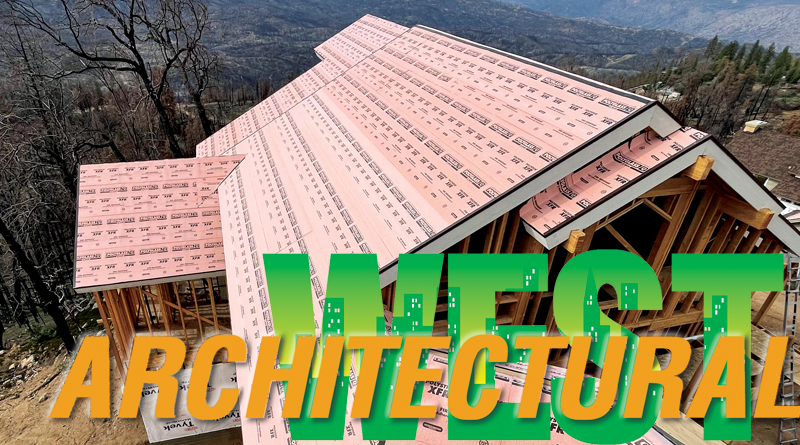
A common misconception is that noncombustible materials such as concrete tile or metal roofing are inherently fireproof. In practice, these coverings often require specialized underlayments to achieve a Class A fire rating for external fire exposure. Under these extreme conditions, tiles can crack or shift, and metal panels may distort, leaving gaps where embers can ignite the underlying materials.
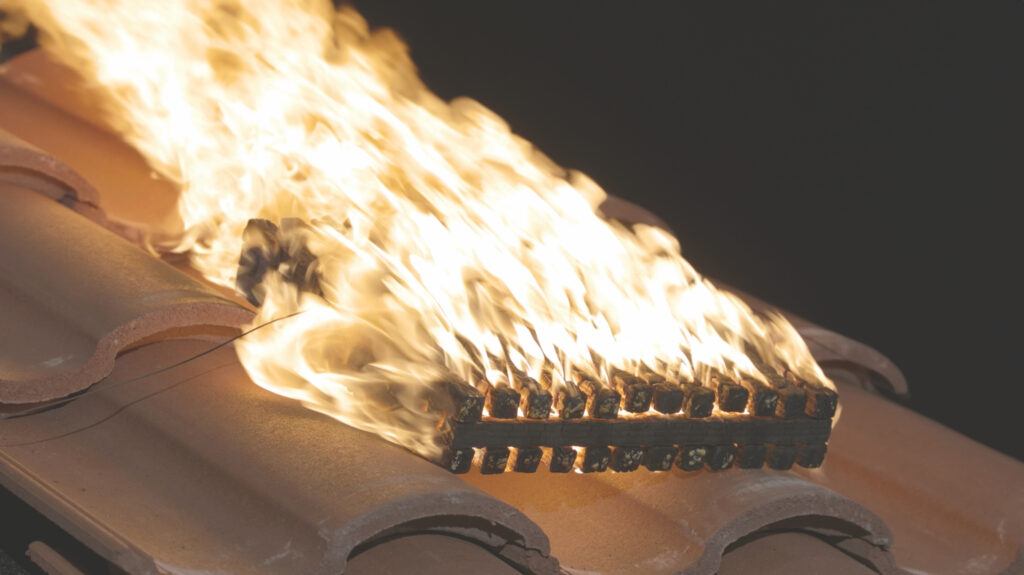
The best practice is to pair roof coverings with fire-resistant underlayments, such as Polystick® XFR and Polyanchor® XFR, which are tested to resist ember intrusion and fire spread. Even if embers land directly on the underlayment, they can help prevent ignition and buy valuable time for occupants and emergency response. Routine roof maintenance, such as cleaning gutters, repairing flashing, and replacing broken coverings, remains an important line of defense.
Planning for the Future
Successful contractors plan not only for the work at hand but also for the unexpected. Wildfires occur unpredictably, and preparation is critical when operating in WUI zones. Having trained crews and the right materials in place can make all the difference.
Polyglass® provides Class A fire-resistant roofing materials for both steep and low-slope applications and offers technical support to help contractors design resilient roof systems. These solutions enable contractors to meet code, reduce liability, and strengthen client trust.